
How to Choose an E-Bike Supplier in China: A B2B Checklist
Five verification steps for choosing an e-bike supplier in China — factory checks, certification trails, after-sales depth and pilot-order strategy.
China manufactures the overwhelming majority of the world’s e-bikes — but supplier quality varies enormously. Whether you are launching a brand or expanding a dealership, this checklist separates professional factories from trading companies passing through.
1. Verify the factory, not the sales deck
Ask for a video walkthrough of production lines with your model name spoken on camera, or better, visit. Key indicators: in-house frame welding and painting, dedicated battery assembly or a named tier-1 cell supplier (Samsung, LG, EVE), and an in-house QC lab with cycle-testing rigs.
2. Check the certification trail
A serious supplier maintains current EN15194 files, UN38.3 battery certificates and CE documentation for every exported configuration. Ask for the Declaration of Conformity before negotiation, not after.
3. Probe after-sales depth
- Can they supply spare parts for models sold three years ago?
- Do they hold EU-local stock for fast replacement?
- What is their documented warranty claim turnaround?
4. Test communication under pressure
Send a technical question — not “what is your price”, but “what is the controller’s low-voltage cut-off on the 48V pack”. Factories answer in hours with specifics; intermediaries go quiet.
5. Start with a pilot order
Order a small mixed batch, put units through your own range and reliability testing, then scale. A confident supplier supports pilots; a risky one pushes for large commitments immediately.
What established partners look like
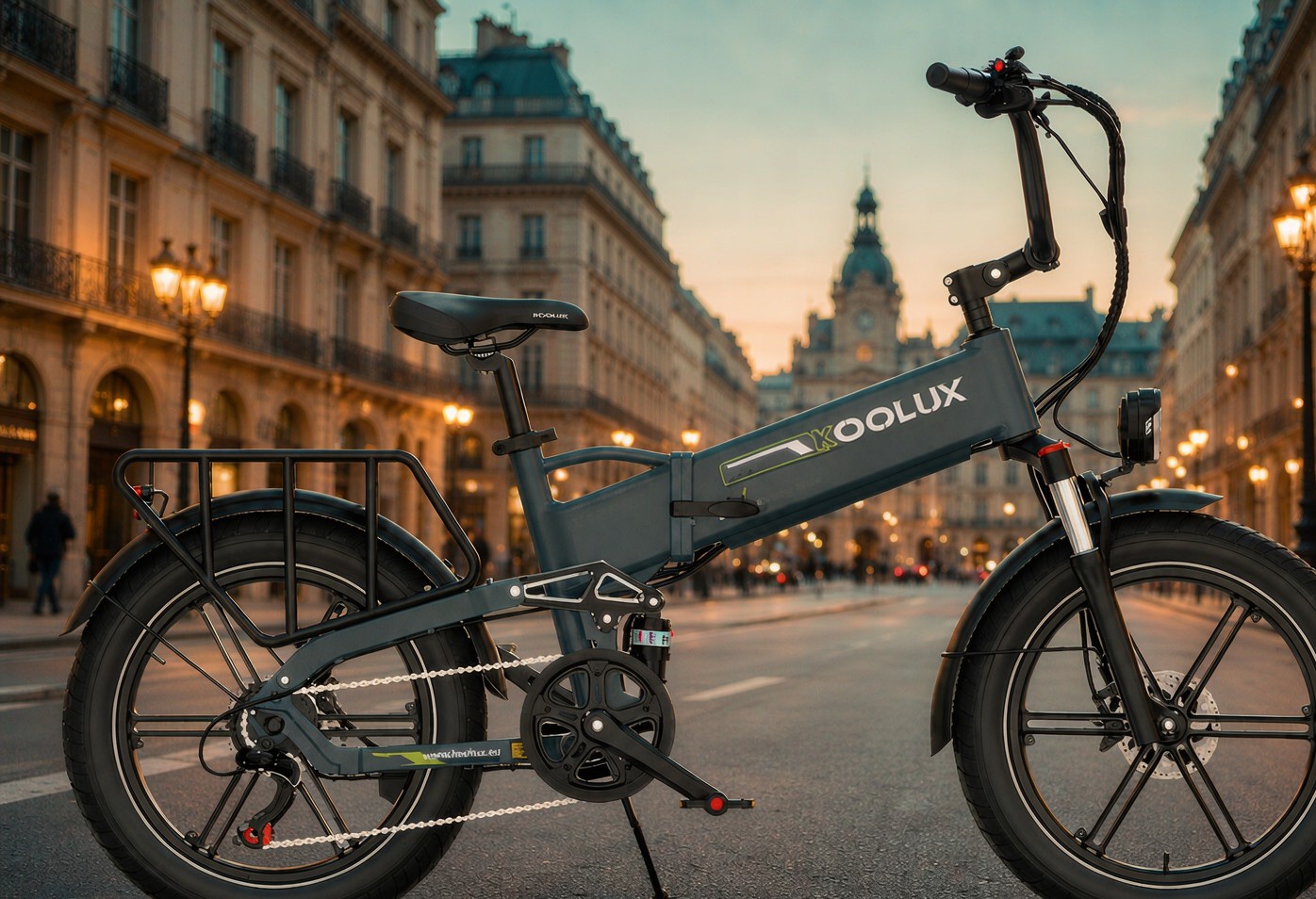
KOOLUX, for example, combines in-house engineering with an EU warehouse network holding the full range in local stock — 3–7 day delivery for wholesale partners, warranty spares available for every model sold, and OEM/ODM programmes for brands that want their own label (see the OEM/ODM programme).
Red flags to walk away from
- Certificates that cannot be traced to a notified body.
- Prices far below market without a structural explanation.
- No spare-parts commitment after sale.
Due diligence takes two weeks; recovering from a bad supplier takes two years.
