
How Fast Can E-Bikes Go in Europe? Legal Speed Limits Explained
The 25 km/h pedelec rule, why speed pedelecs are legally mopeds, throttle rules in the EU, and what it means for the bikes you sell.
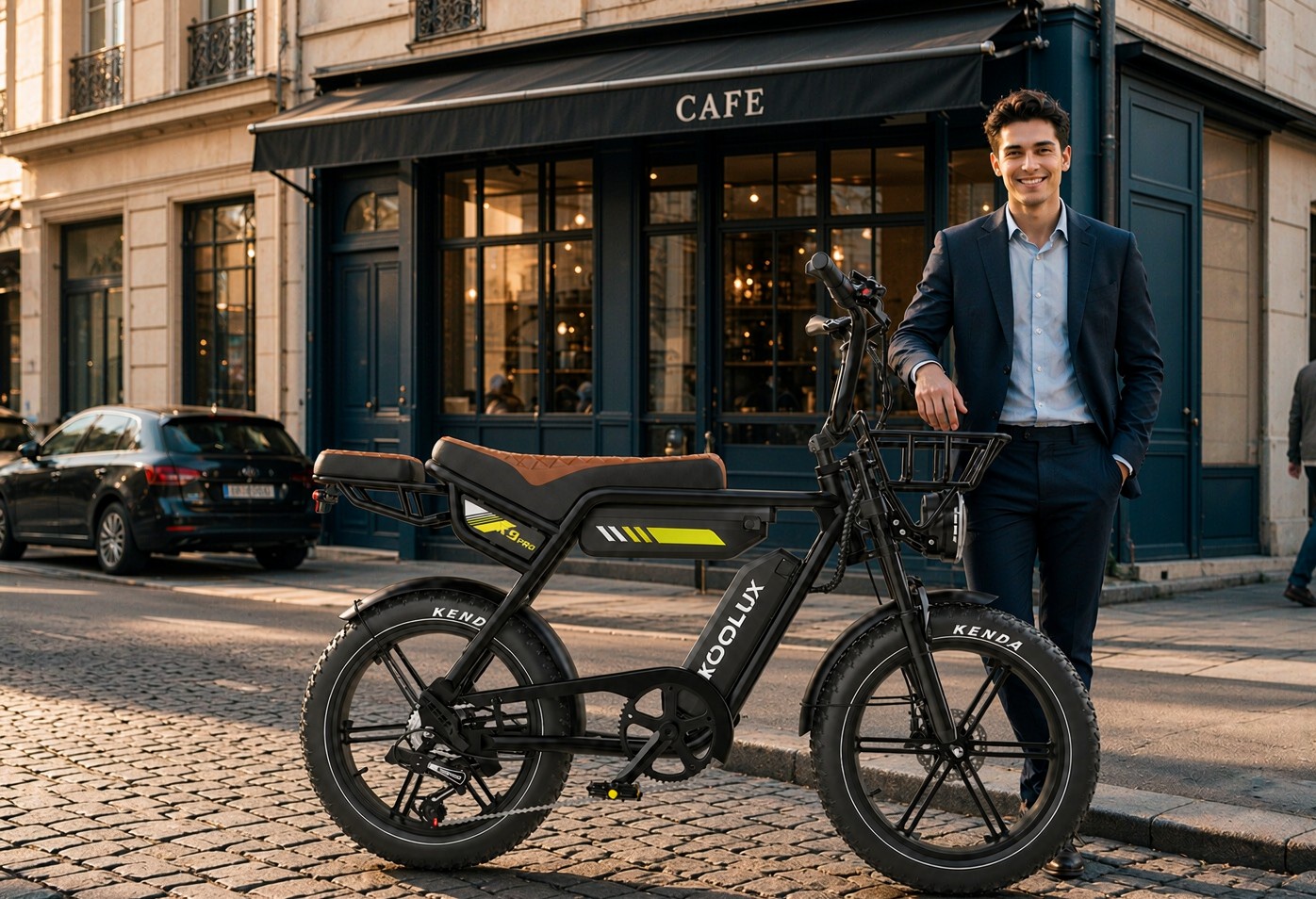
E-bike speed rules in Europe are simpler than sellers sometimes make them — but the details matter legally, and “de-restricted” marketing claims can put customers on the wrong side of the law. Here is the clean version.
The pedelec rule: 25 km/h
Across the EU, a bicycle with pedal assist is street-legal without registration when:
- Continuous rated power is 250W or less,
- Assist cuts out at 25 km/h, and
- The bike meets EN15194.
Above 25 km/h, you are pedalling a normal bicycle — legs only, motor silent. That is the law, and it applies in virtually all member states with only minor national variations.
What about “45 km/h e-bikes”?
Faster machines — speed pedelecs with assist to 45 km/h — exist legally, but they are legally mopeds: registration, insurance, helmet requirements and often moped licensing apply. Retailers must sell them as such, and buyers should know the total cost of ownership is far higher.
Throttles in Europe
A walk-assist throttle up to 6 km/h is permitted on pedelecs. Full-speed throttles without pedalling push the bike out of the pedelec class — one reason EU-spec models differ from US-spec ones.
Why real-world speed still feels fast
25 km/h assisted is quick in city terms — faster than most car traffic across urban centres. And since the motor cuts out rather than the bike being “limited” mechanically, pedalling faster on your own power remains unrestricted.
Across the KOOLUX range
All KOOLUX models sold for EU streets ship EN15194-compliant: 250W continuous, 25 km/h assist cut-off, certified 48V batteries. The same platforms are available in higher-power configurations for markets where they are legal — ask the B2B team about market-specific variants.
For dealers
Publish the 25 km/h fact openly. Customers who understand the law buy with confidence; customers surprised by it return bikes.
